
How Often to Pump a Septic Tank 2026: All You Need to Know
- David Warren
- November 1, 2025
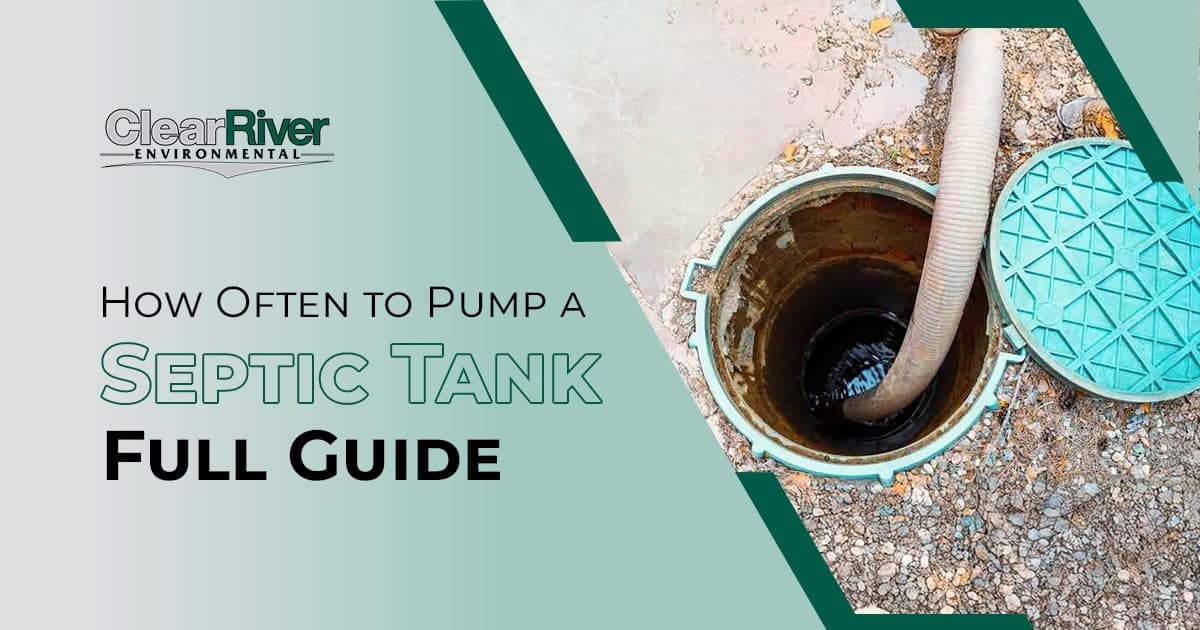
Keeping your septic system healthy is one of the smartest ways to protect your home, plumbing, and property value. Althought, their are many common plumbing issues. Yet one question comes up more than any other: how often should a septic tank be pumped? Whether you are new to septic ownership or want the most updated 2026 guidelines, this complete guide covers everything you need, including charts, size calculators, warning signs, and state-based pumping rules.
This guide also helps you understand how often do you need to pump a septic tank, how septic tank pumping works, and how to prevent costly repairs through proper maintenance.
In This Article
Understanding How a Septic Tank Works
Before learning how often should you empty your septic tank, it helps to know how your system functions.
A septic system separates solids (sludge) from liquids (effluent). Over time, the sludge builds up. When it reaches a certain level, the system can no longer function properly, leading to backups, odors, drain clogs, and even total system failure.
This is why regular septic tank pump out services are essential.
How Often to Pump a Septic Tank Family of 1 to 8
Here is the most requested information: how often to pump a septic tank for different household sizes. These estimates are based on average usage, a standard septic tank, and the latest 2026 recommendations.
Average Pumping Frequency Chart by Family Size
(Assuming a 1,000-gallon tank)
Household Size | Pumping Frequently |
1 Person | Every 9 – 12 years |
2 People | Every 6 – 8 years |
3 People | Every 5 – 6 years |
4 People | Every 3 – 4 years |
5 People | Every 2 – 3 years |
6 People | Every 2 years |
7 People | Every 1 – 2 years |
8 People | Every 1 year |
Important: Higher water usage, older systems, garbage disposals, and frequent laundry increase the need for septic clean out services.
Septic Tank Size Calculator for Pumping Frequency
1. Tank Size 500 – 750 Gallons
Recommended for small households.
- 1 – 2 people: Pump every 3 – 5 years
- 3 – 4 people: Pump every 2 – 3 years
- 5+ people: Pump every 1 – 2 years
2. Tank Size 1000 Gallons
Most common residential size.
- 1 – 2 people: Every 5 – 8 years
- 3 – 4 people: Every 3 – 4 years
- 5+ people: Every 2 years
3. Tank Size 1500 Gallons
Recommended for large families.
- 1 – 3 people: Every 5 – 7 years
- 4 – 6 people: Every 3 – 4 years
- 7 – 8 people: Every 2 – 3 years
These guidelines help you estimate how often should you pump your septic tank with confidence.
Warning Signs Your Septic Tank Needs Pumping
While charts help, real-world warning signs are even more important. If you notice any of the following, call for septic tank emptying immediately.
Most Common Warning Signs
- Slow drains throughout the house.
- Gurgling sounds in sinks or toilets.
- Sewage odors around drains or in your yard.
- Wet or mushy spots near the drain field.
- Backed-up sewage into tubs or toilets.
- High levels of sludge on a recent inspection.
- Toilet flushing slower than usual.
If you experience any of these, schedule an expert for a septic tank inspection as soon as possible to prevent costly damage.
What Happens During Septic Tank Pumping
A professional septic clean out involves several important steps:
- Locating and exposing the tank
- Opening tank lids and checking sludge levels
- Removing all solids and liquids with a vacuum truck
- Checking for cracks, leaks, or inlet issues
- Inspecting baffles and performing septic system filter cleaning
- Providing a maintenance report and recommendations
This professional service protects your home from sewage backups and extends your system’s lifespan by decades.
State By State Rules and Recommendations for 2026
Different states have varying rules for sewage tank emptying and septic maintenance. The general nationwide recommendation is to pump every 3 – 5 years, but some states require more frequent service. Below is a simplified 2026 overview:
Northeastern States
- Pennsylvania, New Jersey, New York: Pump every 2 – 3 years
- Massachusetts: Strict inspection requirements every 2 years
Southern States
- Florida & Georgia: Pump every 3 years, mandatory inspections in coastal areas
- Texas: Local counties may require every 2 – 4 years
Midwest
- Wisconsin, Minnesota: Pump every 3 years, frozen ground concerns in winter
- Ohio: Pumping and inspections tied to real estate transactions
Western States
- California: Pump every 3 – 5 years, environmental rules for groundwater safety
- Washington & Oregon: Pump every 3 years minimum
Always check your local health department website for updated 2026 guidelines.
How to Reduce How Often You Need Septic Tank Pumping
Want to stretch the time between septic tank pump out appointments? Follow these simple maintenance tips:
Limit Water Usage
- Install low-flow faucets and toilets
- Space out laundry loads
- Fix leaks quickly
Avoid Flushing Harmful Materials
- Wipes
- Feminine products
- Grease or oil
- Paper towels
- Coffee grounds
Protect the Drain Field
- Never park cars on it
- Do not plant large trees nearby
- Keep gutters away
Maintaining your system properly ensures you do not need cleaning a septic tank more often than necessary.
Why Choose Us
Clear River Environmental has been the trusted septic service team homeowners rely on for decades. We combine advanced equipment, certified technicians, and the highest safety standards to deliver reliable septic tank pumping services. Our team focuses on long-term system health, honest inspections, affordable pricing, and fast emergency response.
Whether you need routine maintenance, cleaning out septic tank services, or full-system diagnostics, we deliver dependable results with friendly, professional service every time. Your septic system is a vital part of your home, and we treat it like one.
Final Thoughts
Knowing how often to pump a septic tank in 2026 is the key to avoiding backups, odors, and expensive system failures. While the general rule is every 3–5 years, the right schedule depends on your household size, tank capacity, water usage, and local regulations. By following the charts, watching for warning signs, and keeping up with regular inspections, you can extend your septic system’s lifespan, protect your property value, and keep maintenance costs predictable for years to come.
Contact us today at Clear River Environmental for professional services and peace of mind.
FAQs About Septic Tank Pumping
Most homes should pump their tank every 3 - 5 years. Larger families need more frequent service.
It depends on tank size and household usage. Families of 5 or more often need pump-outs every 2 - 3 years.
Typically every 3 - 4 years with a 1,000-gallon tank.
Solids overflow into the drain field, causing system failure, sewage backups, and costly repairs.
Yes. It can reduce your pumping interval by 30 - 50 percent.
No. Only licensed professionals should handle cleaning a septic tank.
The technician removes, cleans, and inspects the effluent filter to ensure smooth system flow.
Common signs include slow drains, gurgling toilets, sewage odors, wet spots in the yard, and frequent backups, all indicating the tank may be near capacity.
Most homeowners insurance policies do not cover routine septic pumping, but they may cover damage caused by sudden system failure or backups, depending on the policy.
Get in touch with Us

David Warren, Vice President and one of the founding visionaries of Clear River Environmental, brings
deep expertise in environmental stewardship, residential services, and operational leadership. Since cofounding the company, he has been instrumental in guiding Clear River’s evolution from a local cesspool service to Long Island’s leading provider of plumbing, septic, and environmental solutions, completing over 25,000 installations to date.


