
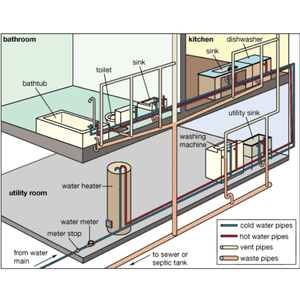
Every properly installed new plumbing system follows a structured process divided into three stages:
- Stage 1: Underground Rough-In (Pre-Foundation Installation)
- Stage 2: Rough-In Plumbing (Internal System Setup)
- Stage 3: Trim-Out Plumbing (Final Fixtures & Finishing)
These aren’t optional steps, they’re standard across all new home construction plumbing projects and are required for inspection approvals and long-term system performance.
Each stage builds on the previous one, which means early mistakes can carry forward and create bigger issues later.
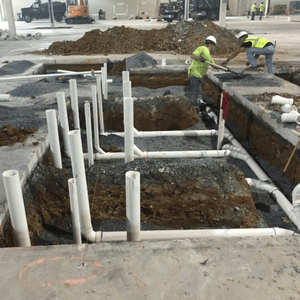
Before the foundation is poured, plumbing begins below the surface. This first phase, known as the underground rough-in, is one of the most critical parts of plumbing a new house.
At this point, your home doesn’t even exist structurally yet, but the groundwork for your entire plumbing system is already being installed.
What Happens During Underground Rough-In?
During this stage, a licensed plumber for new construction installs the drainage system that will carry wastewater away from your home.
This includes:
- Main sewer line connection to municipal sewer or septic system
- Underground drain pipes
- Waste lines aligned with the home’s floor plan
- Proper slope for gravity-based drainage
Every pipe must be positioned with precision because it directly affects how efficiently wastewater flows through the system.
Why This Stage Requires Precision
Once the concrete slab or foundation is poured, these pipes are sealed underneath the home.
From a construction standpoint, this means:
- Repairs become invasive and expensive
- Adjustments require breaking concrete
- Small installation errors can turn into long-term issues
Common problems that originate at this stage include:
- Poor drainage flow
- Frequent blockages
- Sewer line misalignment
This is why professionals treat underground work as a high-risk, high-precision phase of plumbing in new construction.
Also Read: 15 Plumbing Problems with Expert Solutions
Inspection & Code Compliance
Before construction moves forward, this stage must pass inspection.
Inspectors check:
- Pipe alignment and slope
- Leak-free connections
- Compliance with local plumbing codes
Only after approval is the foundation poured and the next stage begins.
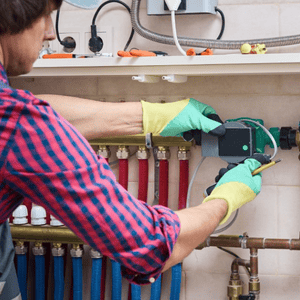
Once framing is complete, plumbing moves inside the structure. This phase is known as rough-in plumbing in new construction, and it’s where your home’s internal plumbing system is built.
What Is Rough-In Plumbing?
Rough-in plumbing involves installing all essential pipes and systems before walls, ceilings, and floors are closed.
At this stage, there are no visible fixtures, just the infrastructure that supports them.
What Gets Installed?
During rough-in, plumbers install:
- Hot and cold water supply lines
- Drain and waste piping
- Vent systems for airflow and pressure balance
- Pipe connections for kitchens, bathrooms, and laundry areas
This is where your new plumbing system starts to take real shape.
Why This Stage Is the Most Technical
Unlike underground work, rough-in plumbing must coordinate with multiple systems:
- Structural framing
- Electrical wiring
- HVAC systems
From experience, this is where most coordination issues occur.
Even minor mistakes, like slightly misplaced pipes, can result in:
- Fixtures not aligning properly
- Delays during installation
- Additional labor costs
Proper planning is critical when plumbing system installation reaches this stage.
Testing Before Walls Are Closed
Before drywall and finishes are added, the system is tested thoroughly.
This includes:
- Water pressure testing
- Leak detection
- System inspection for code compliance
This step ensures that everything is functioning properly before it becomes hidden behind walls.
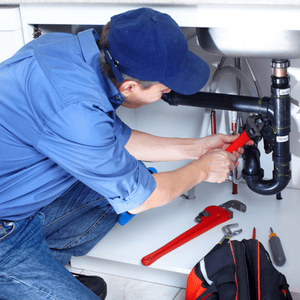
Once the home is nearly complete, plumbing enters its final phase, trim-out plumbing.
This is the stage where the system becomes visible, functional, and ready for daily use.
What Is Trim-Out Plumbing?
Trim-out is the final stage of new home construction plumbing, where all fixtures and appliances are installed and connected.
What Gets Installed?
At this stage, plumbers install:
- Sinks and faucets
- Toilets and showers
- Bathtubs
- Water heaters
- Dishwashers and other appliances
This is where your plumbing system transitions from infrastructure to usability.
Final Testing & Quality Checks
Before the home is handed over, the system undergoes final testing:
- Water pressure verification
- Drainage performance
- Leak inspection
- Fixture functionality
This ensures that everything works exactly as expected from day one.
How These Three Stages Work Together
Each stage of plumbing in new construction is interconnected.
- Underground rough-in creates the foundation
- Rough-in plumbing builds the internal system
- Trim-out completes the system
If one stage is poorly executed, it affects everything that follows.
That’s why professional contractors follow a structured workflow instead of rushing through installation.
The cost for plumbing new construction varies depending on several factors:
- Size of the home
- Number of bathrooms and fixtures
- Material quality
- Installation complexity
While it’s tempting to cut costs, experienced contractors consistently emphasize one thing:
Investing in proper installation upfront saves significantly on repairs later.