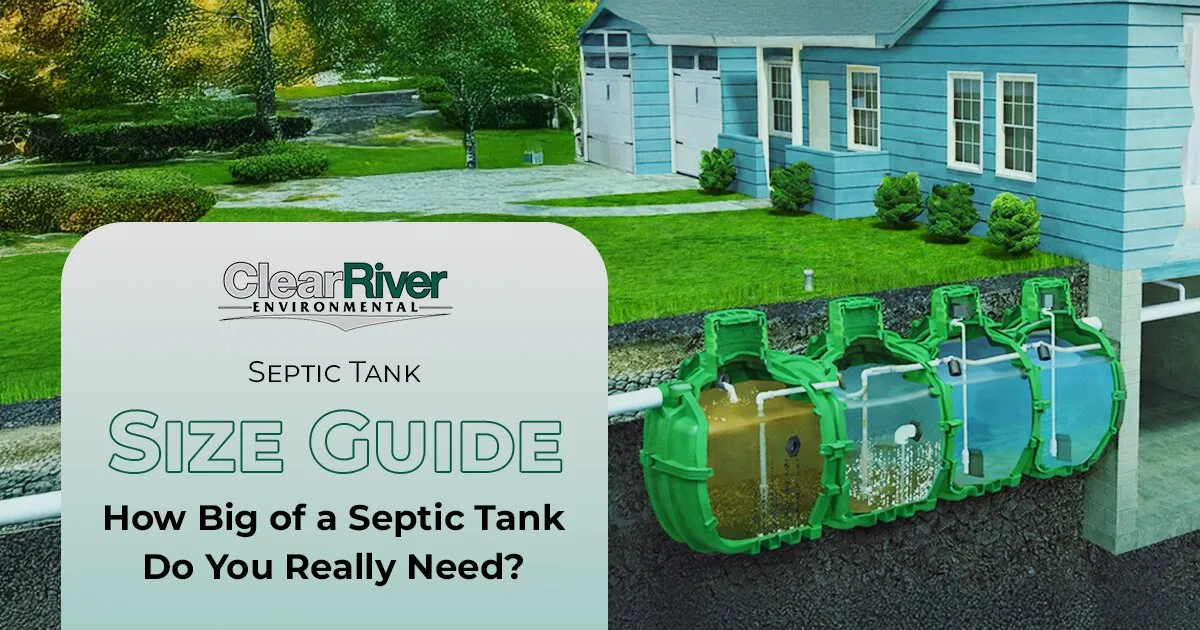
Septic Tank Size Guide: How Big of a Septic Tank Do You Really Need?

Septic Tank Size

If you’ve ever tried to figure out what size septic tank you need, you’ve probably noticed something frustrating, every source gives a slightly different answer.

Some say it depends on bedrooms. Others talk about gallons. And then there are confusing charts that don’t really explain why those numbers matter.

The reality is, septic tank sizing isn’t random. There’s a clear logic behind it; used by engineers, installers, and inspectors, that most online guides simply don’t explain properly.

This guide breaks it down the right way.

Instead of just giving you numbers, we’ll show you how septic tank sizing actually works, what size fits your home, and how to avoid common mistakes that lead to costly problems later.

In This Article

Quick Answer: What Size Septic Tank Do I Need?

Septic Tank Size

If you’re looking for a direct answer:

  • A 3 bedroom house typically needs a 1,000–1,250 gallon septic tank
  • A 4 bedroom house needs around 1,250–1,500 gallons
  • A 5 bedroom house usually requires 1,500–2,000 gallons

For most homes, a 1,000-gallon septic tank is considered the minimum standard. But here’s the important part, this is just a starting point, not the full picture.

Why Septic Tank Size Is Based on Bedrooms (Not Just Usage)

septic tank sizes​

You might be wondering:

Why does septic tank sizing depend on bedrooms instead of actual water usage?

The answer is simple, bedrooms are used as a consistent way to estimate occupancy.

More bedrooms generally mean:

  • More people living in the house
  • More wastewater generated daily
  • Higher load on the septic system

Even if your household is small today, regulations assume full occupancy to prevent future system overload.
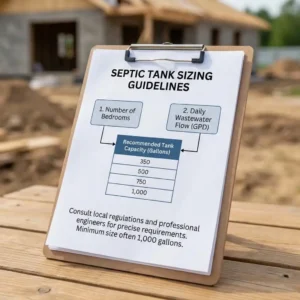
Septic Tank Size Chart (Explained, Not Just Listed)

Instead of just showing numbers, let’s actually understand them.

Bedroods

Typical Tank Size

Why This Range Works

1–2

750–1,000 gal

Low wastewater volume

3

1,000–1,250 gal

Standard household load

4

1,250–1,500 gal

Increased usage buffer

5

1,500–2,000 gal

High demand capacity

This chart is based on retention time, how long wastewater stays in the tank to properly separate solids and liquids.

A tank that’s too small doesn’t give enough time for this process to happen correctly.

What Size Septic Tank for a 3 Bedroom House?

This is one of the most searched questions, and for good reason.

A 3-bedroom home typically needs a 1,000 to 1,250-gallon septic tank.

But here’s what most guides don’t tell you:

When 1,000 Gallons Is Enough

  • 3–4 occupants
  • Moderate water usage
  • No garbage disposal

When You Should Go Bigger (1,250 Gallons)

  • Larger families (5+ people)
  • Frequent laundry usage
  • High-efficiency plumbing still running often
  • Long-term usage planning

In real-world scenarios, professionals often recommend 1,250 gallons for better system lifespan.

Also Read: How Often to Pump a Septic Tank

What Size Septic Tank for a 4 Bedroom House?

For a 4-bedroom home, sizing shifts slightly because the system needs to handle higher peak loads.

  • Recommended Size: 1,250 to 1,500 gallons

Why This Increase Matters

  • More bathrooms = more water spikes
  • Higher probability of simultaneous usage
  • Greater solid waste accumulation

 Choosing 1,500 gallons isn’t overkill, it’s a buffer that reduces stress on your drain field.

Septic Tank Size for 5 Bedroom House (What Changes?)

At this level, septic sizing becomes less about minimums and more about long-term performance.

  • Recommended Size: 1,500 to 2,000 gallons

What Changes Here

  • Daily wastewater volume increases significantly
  • Tank fills faster
  • Pumping frequency increases if undersized

 A larger tank helps:

  • Improve separation efficiency
  • Reduce maintenance
  • Extend system lifespan

How Many Bedrooms Can a 1000 Gallon Septic Tank Handle?

This is another common question, and often misunderstood.

 A 1,000-gallon septic tank is generally suitable for up to 3 bedrooms

But this assumes:

  • Average occupancy (3–4 people)
  • Normal water usage
  • No excessive load on the system
Where Problems Start
  • 5+ occupants in a 3-bedroom home
  • Heavy laundry usage
  • Constant dishwasher use

In these cases, even a “correct” size can behave like an undersized system.

How to Size a Septic Tank (The Real Process Professionals Use)

Instead of guessing, professionals follow a structured approach.

Step 1: Estimate Daily Flow

Based on occupancy and fixtures.

Step 2: Match Bedroom-Based Guidelines

Use standard sizing as a baseline.

Step 3: Adjust for Real Usage

Increase tank size if:

  • High water usage
  • Larger household
  • Heavy appliance use

Step 4: Evaluate Soil & Drain Field

Poor soil absorption requires more capacity.

Step 5: Check Local Regulations

Minimum sizes are often enforced by code.

 This is why two similar homes can end up with different tank sizes.

What Is the Average Septic Tank Size?

average septic tank size

Across most residential properties:

 The average septic tank size is between 1,000 and 1,250 gallons

This range works because it:

  • Supports typical household usage
  • Meets most regulatory standards
  • Balances cost and performance

Standard Septic Tank Sizes (What You’ll Actually Find)

Most tanks are manufactured in standard capacities:

  • 750 gallons
  • 1,000 gallons
  • 1,250 gallons
  • 1,500 gallons
  • 2,000 gallons

 The most commonly installed sizes today are 1,000 and 1,250 gallons

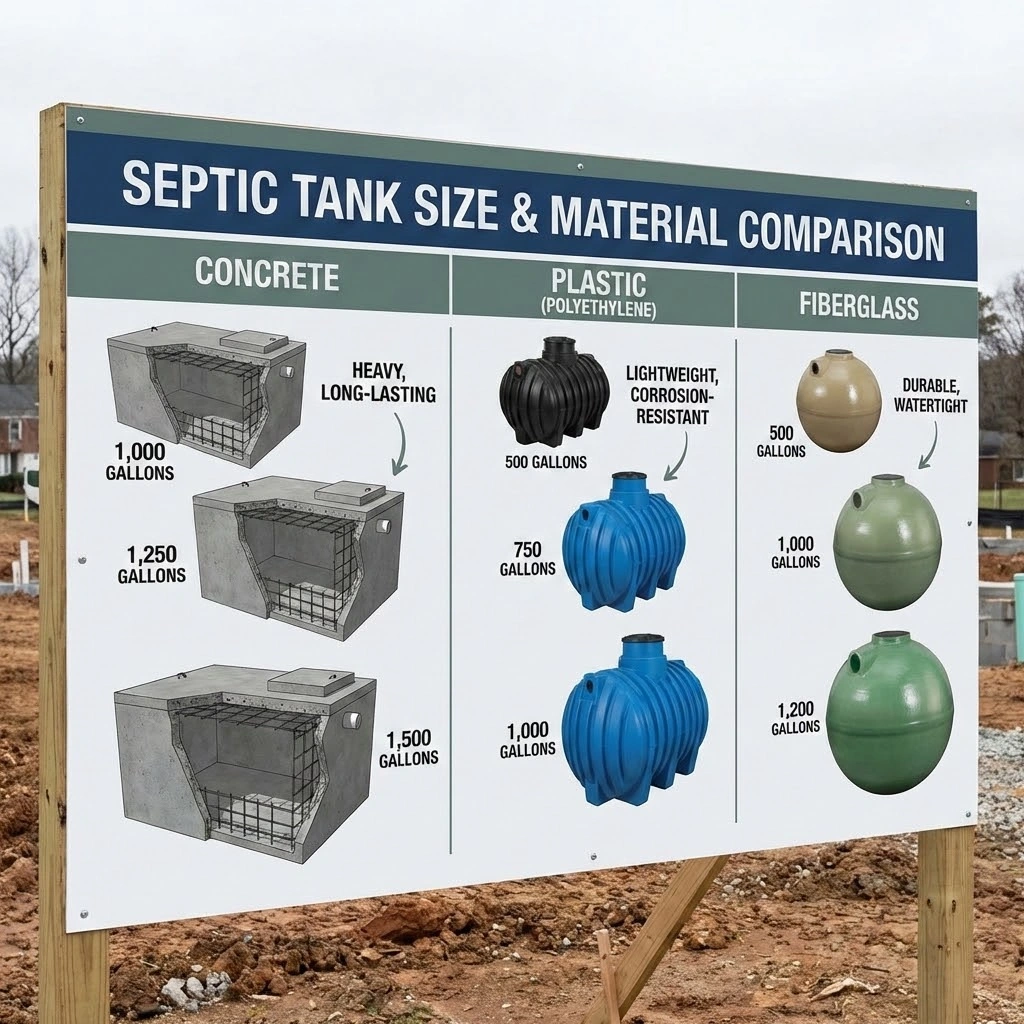
Concrete Septic Tank Sizes vs Other Materials

Septic Tank Concrete vs Other Material

Material doesn’t change size requirements, but it does affect durability.

Concrete Tanks

  • Strong and long-lasting
  • Ideal for most installations

Plastic / Fiberglass

  • Lightweight
  • Easier to install

 Regardless of material, capacity requirements stay the same.

How to Find Out What Size Septic Tank You Have

If you already have a system but don’t know its size:

Check

If records aren’t available

  • Measure tank dimensions
  • Call a professional inspection

Knowing your tank size helps prevent overloading and planning upgrades.

Common Septic Tank Sizing Mistakes (And Why They Happen)

Most issues don’t come from installation, they come from wrong assumptions.

Relying Only on Minimum Size

Leaves no room for real-world usage.

Ignoring Household Size

Bedrooms ≠ actual usage

Not Considering Future Needs

Family size can change.

Overlooking Drain Field Limitations

Tank alone doesn’t determine system performance.

What Happens If Your Septic Tank Is Too Small?

An undersized tank creates a chain reaction of problems:

  • Waste doesn’t separate properly
  • Solids enter the drain field
  • System clogs faster
  • Frequent backups occur

 This is one of the leading causes of septic system failure.

Why Choose Us

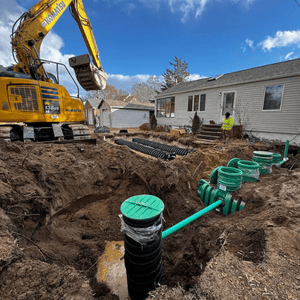
At Clear River Environmental, we know that choosing the right septic tank size is key to long-term efficiency. We assess your property, usage, and local requirements to recommend the ideal system. 

Plus, Long Island offers Septic Grant Programs that can help reduce installation costs. Our goal is to prevent problems from undersized systems and avoid unnecessary costs from oversized ones. You’ll get clear, expert guidance based on real-world experience. 

If you’re planning a septic system installation, we’ll ensure it’s sized correctly from the start and help you explore available grant opportunities.

Final Thoughts

Septic tank sizing isn’t just about meeting minimum requirements; it’s about building a system that works reliably over time.

The right size:

  • Handles your daily usage
  • Protects your drain field
  • Reduces long-term costs

If you’re unsure, it’s always safer to size slightly above the minimum rather than risk future problems.

FAQs

Get in touch with Us

Get Our Services

Plumbing Services

Repairs, maintenance and installation

Sewer & Drain

Drain cleaning &
sewer line repairs

Cesspool Services

Cesspool pumping, cleaning & waste disposal

Septic Services

Septic system installation, maintenance, and repair

Picture of David Warren
David Warren

David Warren, Vice President and one of the founding visionaries of Clear River Environmental, brings
deep expertise in environmental stewardship, residential services, and operational leadership. Since cofounding the company, he has been instrumental in guiding Clear River’s evolution from a local cesspool service to Long Island’s leading provider of plumbing, septic, and environmental solutions, completing over 25,000 installations to date.