Septic vs Sewer: Which System Is Better for Your Home?

septic vs sewer

When buying a home or planning a new property, one important question many homeowners ask is whether a septic system or public sewer connection is the better option. While both systems are designed to handle wastewater, they operate very differently and come with their own advantages, maintenance requirements, and long-term costs.

Understanding the difference between sewer and septic systems can help homeowners make better decisions for their property, budget, and future maintenance needs.

In This Article

What Is the Difference Between Sewer and Septic Systems?

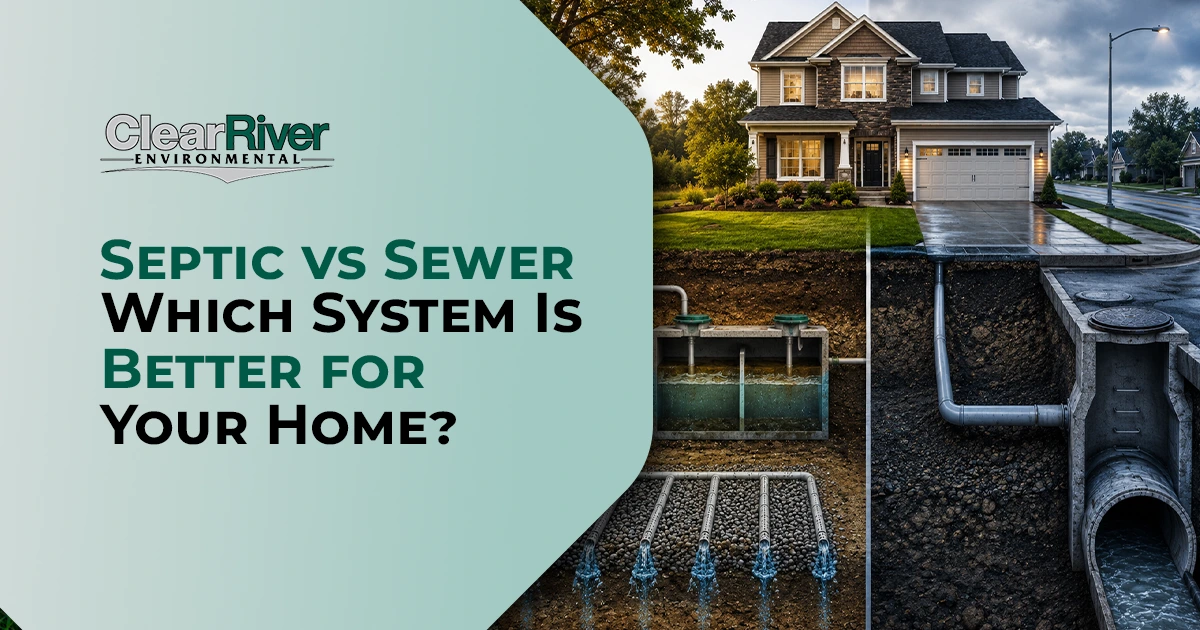
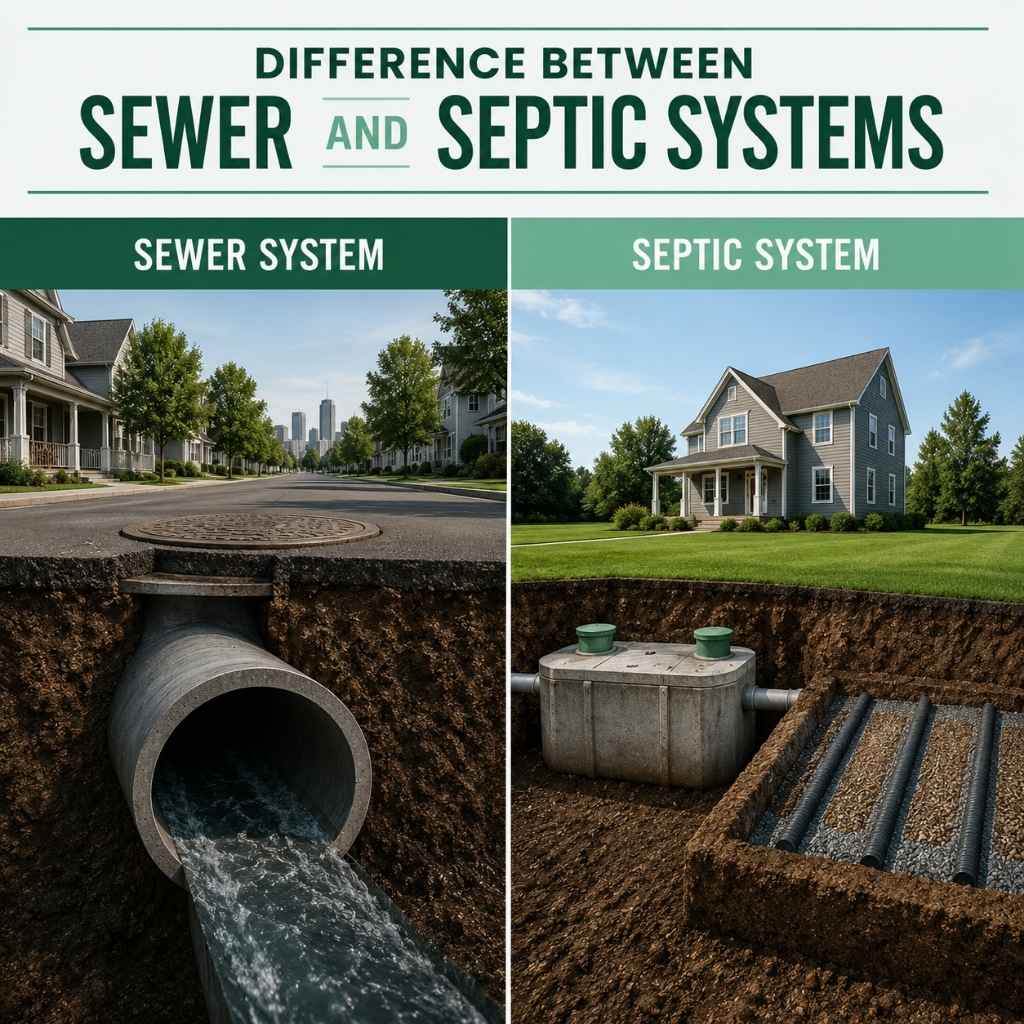
The main difference between septic and sewer systems is where wastewater goes after it leaves your home.

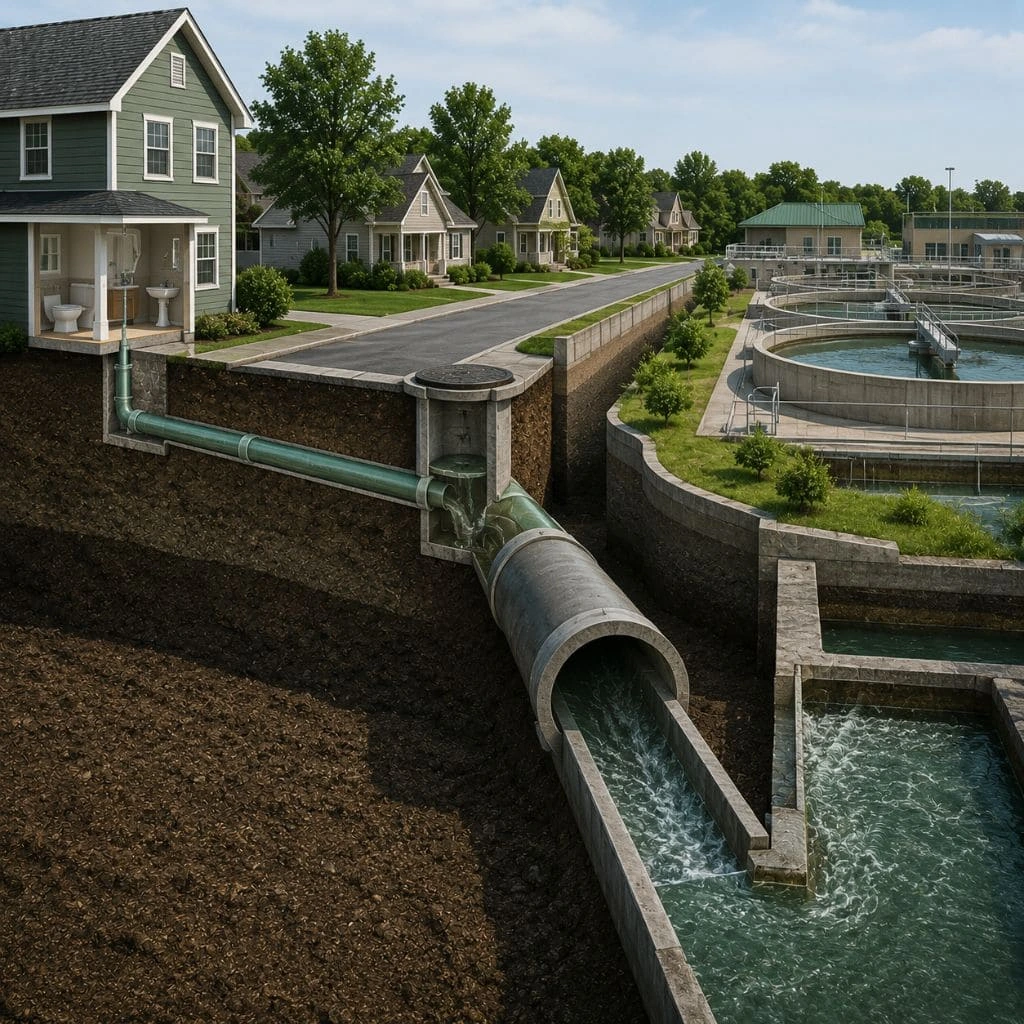
A public sewer system transports wastewater through municipal sewer lines to a city treatment facility. Homeowners connected to public sewer systems usually pay monthly sewer fees to the local municipality.

A septic system, on the other hand, is privately owned and located on the property itself. Wastewater flows into a septic tank where solids separate, before filtered water moves into the drain field for natural treatment underground.

When comparing septic vs sewer systems, homeowners are essentially deciding between private wastewater management and a city-managed sewer network.
How a Septic System Works

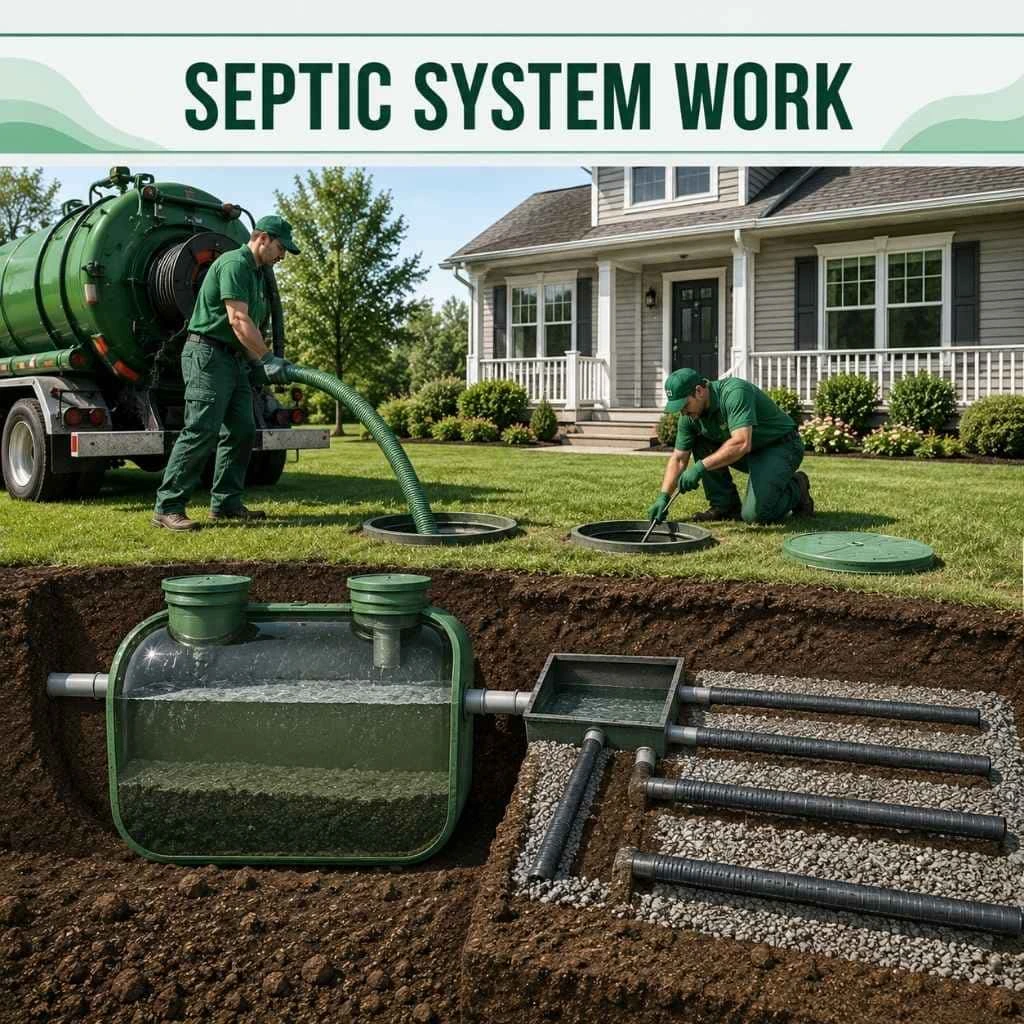
A septic system treats wastewater directly on the property. Wastewater from sinks, toilets, showers, and appliances enters the septic tank where solids settle at the bottom while liquid wastewater flows toward the drain field.

The drain field then filters wastewater through the soil before it returns safely to the environment.

Many homeowners choose septic systems in rural or suburban areas where municipal sewer connections may not be available.

One of the biggest advantages of a septic tank is independence from public sewer infrastructure. Homeowners also avoid monthly municipal sewer bills, although regular maintenance is still necessary.
How Public Sewer Systems Work

Public sewer systems transport wastewater through underground sewer lines connected to a municipal treatment facility.

Unlike septic systems, homeowners connected to public sewer systems do not manage wastewater treatment themselves. Instead, the city or municipality handles maintenance of the larger sewer infrastructure.

For many homeowners, one of the major benefits of connecting to public sewer is convenience. There is no septic tank pump out schedule to manage and no drain field maintenance required on the property.

However, sewer systems may involve:

  • Monthly sewer fees
  • Municipal assessments
  • Shared infrastructure issues
  • City connection regulations

Pros and Cons of Septic vs Sewer Systems

Understanding the pros and cons of septic vs sewer systems is important before deciding which option is best for your property.

Advantages of a Septic Tank

A properly maintained septic system can provide:

  • Lower monthly utility costs
  • Greater independence
  • Environmentally friendly wastewater filtration
  • Long system lifespan
  • Reduced strain on municipal infrastructure

Many homeowners also appreciate having more control over their wastewater system.

Disadvantages of Septic Systems

Septic systems require:

  • Regular inspections
  • Septic tank pumping
  • Drain field protection
  • Responsible water usage

Neglecting maintenance can lead to backups, odors, drainage problems, and expensive repairs.

Benefits of Connecting to Public Sewer

Public sewer systems offer:

  • Less homeowner maintenance
  • No septic tank pumping
  • Simplified wastewater management
  • Easier handling of higher water usage

For some homeowners, public sewer systems provide peace of mind because the municipality manages the larger infrastructure.

Disadvantages of Public Sewer Systems

Public sewer connections may come with:

  • Ongoing sewer bills
  • City connection fees
  • Shared sewer line issues
  • Municipal repair delays
  • Potential rate increases over time

Septic Tank vs Public Sewer: Which Costs More?

 

One of the biggest deciding factors when comparing septic tank vs public sewer systems is long-term cost.

A septic system may have lower monthly expenses but requires periodic pumping, inspections, and occasional repairs. Major septic repairs or drain field replacements can become costly if maintenance is ignored.

Public sewer systems usually eliminate septic maintenance costs, but homeowners often pay monthly sewer fees indefinitely.

The overall cost difference depends on:

  • Property location
  • Local utility rates
  • System age
  • Household water usage
  • Maintenance history

For some homeowners, septic systems become more affordable long-term. For others, public sewer convenience may outweigh the ongoing utility costs.

Which System Requires More Maintenance?

When comparing septic system vs sewer options, septic systems typically require more direct homeowner responsibility.

Septic maintenance may include:

  • Routine septic tank pumping
  • Drain field monitoring
  • Water usage management
  • Preventing clogs and backups

Public sewer systems generally require less homeowner involvement because municipalities maintain the larger sewer infrastructure.

However, homeowners connected to sewer systems can still experience:

  • Sewer line blockages
  • Root intrusion
  • Pipe damage
  • Municipal sewer backups

Neither system is completely maintenance-free.

Is Private Sewer the Same as Septic?

Many homeowners ask whether private sewer systems and septic systems are the same thing.

The answer is no.

A septic system treats wastewater directly on the property using a septic tank and drain field. A private sewer system may connect multiple homes to a privately managed treatment system rather than a municipal sewer line.

Although both are privately managed, they operate differently.

Which System Is Better for Home Value?

Both systems can support strong property value when properly maintained.

In some suburban and urban areas, homes connected to public sewer systems may appeal to buyers looking for lower maintenance responsibilities.

In rural areas, septic systems are extremely common and often expected. A well-maintained septic system with documented inspections and pumping history can still provide strong resale value.

The condition of the system matters far more than whether the property uses septic or sewer.

Why Choose Clear River Environmental

At Clear River Environmental, we help homeowners understand the real differences between septic and sewer systems so they can make informed decisions for their property. Whether you need septic inspections, sewer line evaluations, septic tank pumping, or guidance on system maintenance, our experienced team provides honest recommendations and reliable service designed to protect your home long-term.

Final Thoughts

When comparing septic vs sewer systems, there is no single answer that fits every property. Both systems have advantages, maintenance requirements, and long-term costs homeowners should understand before making a decision.

A properly maintained septic system can offer independence and lower monthly expenses, while public sewer systems may provide greater convenience and reduced homeowner responsibility.

Understanding how each system works, what maintenance is involved, and how the costs compare can help homeowners choose the solution that best fits their property and lifestyle.


Get Our Services

Plumbing Services

Repairs, maintenance and installation

Sewer & Drain

Drain cleaning &
sewer line repairs

Cesspool Services

Cesspool pumping, cleaning & waste disposal

Septic Services

Septic system installation, maintenance, and repair

Get in touch with Us
Picture of David Warren
David Warren

David Warren, Vice President and one of the founding visionaries of Clear River Environmental, brings
deep expertise in environmental stewardship, residential services, and operational leadership. Since cofounding the company, he has been instrumental in guiding Clear River’s evolution from a local cesspool service to Long Island’s leading provider of plumbing, septic, and environmental solutions, completing over 25,000 installations to date.