
7 Signs Your Septic or Cesspool System Is Failing
- David Warren
- March 2, 2025
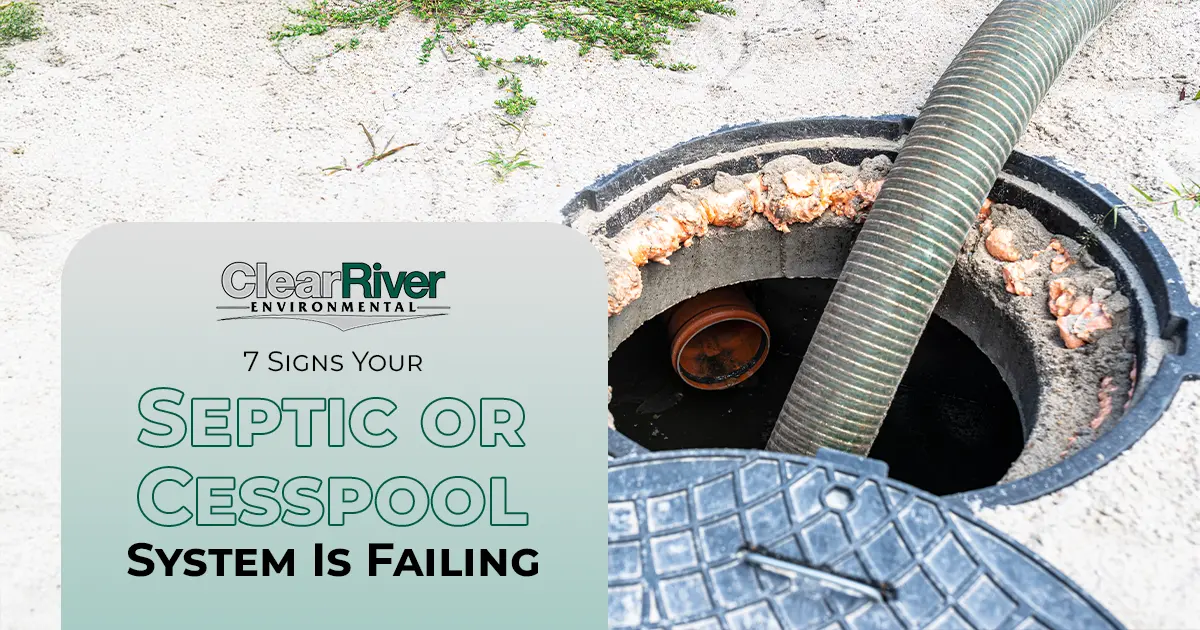
Septic system issues often manifest as slow drains, sewage backups, foul odors, or wet/soggy areas in the yard. A septic or cesspool system rarely stops working without giving early warnings. Most homeowners notice unusual odors, slow drains, or wet areas in the yard long before the system collapses completely.
As an environmental remediation company that has spent years studying Long Island wastewater challenges firsthand, we have learned that understanding septic system problems, recognizing septic field issues, and acting quickly can prevent thousands of dollars in property damage.
In this detailed guide, we will walk you through the failing septic system signs that every homeowner should watch for and what each of them means. Our goal is to give you clear, practical insight so you can protect your home, avoid costly emergencies, and maintain a safe and healthy living environment.
In This Article
Slow Drains That Keep Getting Worse
A slow drain in one sink can simply be a clogged pipe, but slow drains throughout the house usually signal deeper septic system problems. When wastewater has nowhere to go, the internal plumbing begins to resist flow. These slow drains are among the earliest septic tank signs of trouble and should never be ignored.
Homeowners often try to clear the issue with chemical cleaners, but this can worsen the problem. The real cause is usually blockage or pressure building within the septic tank or the drain field. When water moves slowly through every fixture, it becomes one of the strongest signs septic system is failing and needs immediate inspection.
Persistent Odors Around the Yard or Inside the Home
Unpleasant smells around toilets, sinks, basements, or the yard are classic signs of septic failure. When a tank or cesspool cannot process waste correctly, gases escape through the soil or back into the home. Many residents notice a rotten or sewage-like odor especially after heavy water usage.
This situation usually indicates septic field failure symptoms developing underground. As a system reaches capacity or becomes damaged, the soil cannot absorb wastewater efficiently. If the smell appears near the drain field, you might already be experiencing early leach field failure symptoms. Acting quickly is essential to preventing major environmental contamination.
Wet Patches or Standing Water Above the Drain Field
Grass that stays wet even during dry weeks is never a good sign. Excess water or soft ground is one of the clearest signs of septic drain field failure. When wastewater system begins surfacing, the soil below is likely saturated or failing to process effluent.
Most homeowners ask how to tell if the leach field is failing. One of the easiest ways is to monitor the yard after showers, laundry loads, or dishwashing sessions. If water rises to the surface or creates muddy patches, the system is reaching a critical point. These conditions indicate significant septic tank failure and demand immediate professional attention.
Gurgling Sounds Coming From Drains or Plumbing Fixtures
Many people do not realize that strange gurgling noises are strong septic tank signs of trouble. When the system struggles to move wastewater, air becomes trapped and pushes back through drains. This sound is often ignored, but it is an important clue that your septic or cesspool is losing functionality.
If these noises grow louder or more frequent, it often signals developing septic field issues or internal tank problems. What feels like a harmless sound eventually leads to backups or overflows if not dealt with promptly.
Also Read: How Often to Pump a Septic Tank
Sewage Backups in Toilets or Floors
A sewage backup is one of the most alarming signs of septic tank failure, and it often happens without warning. Once wastewater begins returning into your home instead of flowing out, the system has reached a dangerous point of severe blockage or total collapse.
Backups are not only disruptive but also unsafe. Contaminated water can expose your family to harmful pathogens and cause extensive damage to flooring, drywall, and personal belongings. When sewage appears indoors, there is no doubt the homeowner is witnessing critical failing septic system signs that require urgent intervention.
Lush Green Grass or Unusual Vegetation Over the Drain Field
Most people love to see healthy grass, but when one area of the yard looks dramatically greener, it is often a hidden indicator of signs of septic failure. Wastewater is rich in nutrients, and when it escapes the system, vegetation absorbs it quickly. This creates an odd contrast between normal lawn areas and the overly vibrant section above the drain field.
This situation suggests underlying septic field failure symptoms, meaning the soil has become oversaturated. Excess nutrients can signal broken pipes, soil compaction, or clogged leach lines. Many homeowners discover that their most beautiful patch of grass is actually sitting on top of one of the most serious signs of septic tank failure happening beneath the surface.
Toilets That Struggle to Flush or Bubble During Use
A toilet that bubbles, flushes slowly, or refuses to empty can indicate more than simple internal malfunction. These behaviors are common signs of drain field failure, especially when accompanied by odor or sluggish drains in other areas of the home.
When a septic system cannot accept new wastewater, toilets become the first fixture to show stress. The pressure created inside the tank or the drain field causes flushing resistance and bubbling. These symptoms are powerful septic field issues that should be addressed before the situation escalates into a full backup.
What To Do When You Notice These Warning Signs
When you identify any of these indicators, the first step is to reduce water usage immediately. Overloading the system can accelerate the damage. The second step is to schedule a professional evaluation. Septic systems are complex, and accurate diagnosis requires advanced tools and experienced technicians.
Delaying action can worsen leach field failure symptoms and lead to tank replacement, soil restoration, or emergency excavation. Homeowners often ask how to tell if the leach field is failing without professional help, but the truth is that only a detailed cesspool or septic inspection can confirm the underlying cause.
A timely response can save thousands of dollars and restore your property to safe, normal functioning.
Must Read: Septic Tank Size Guide
Why Choose Us
At Clear River Environmental, we combine modern diagnostic technology with decades of field experience, giving homeowners fast, accurate solutions to all forms of septic system problems.
Our licensed technicians understand the unique soil and wastewater challenges across Long Island and specialize in identifying signs septic system is failing before they escalate into emergencies.
Every service call is handled with precision, transparency, and a strong commitment to protecting your home and the local environment. When you work with us, you receive reliable guidance, long term maintenance strategies, and a team dedicated to preventing future septic field issues while restoring your system safely and efficiently.
Conclusion
Recognizing the early signs of a failing septic or cesspool system is not just a matter of convenience. It is a critical step in protecting your home, your health, and your investment.
Most systems do not collapse overnight; they slowly reveal their distress through odors, slow drains, wet patches, backups, and unusual lawn growth.
When these warnings appear, timely action can prevent a minor issue from escalating into a full system failure that requires costly excavation or replacement. Understanding what these symptoms mean empowers you to respond early, safeguard your property, and maintain the long term performance of your wastewater system.
With the right professionals on your side, even the most complex septic field issues can be diagnosed accurately and resolved before they turn into emergencies.
Contact us today at Clear River Environmental for professional services and peace of mind.
FAQs
The earliest warnings usually include slow drains, persistent odors, and gurgling sounds. These issues often occur before major septic tank failure develops.
Soft ground, standing water, or unusually green grass above the drain field are key indicators of septic field failure symptoms and leach field failure symptoms.
Common causes include lack of pumping, broken pipes, soil saturation, tree root intrusion, or sending too much water into the system at once.
You may notice sewage odors, soggy soil, slow drains, or wastewater surfacing. These are all common signs of septic drain field failure.
Yes. A failing system can contaminate soil, groundwater, and your home. Prompt action is necessary to prevent extensive structural and environmental damage.
Get in touch with Us
Get Our Services
Plumbing Services
Repairs, maintenance and installation
Sewer & Drain
Drain cleaning &
sewer line repairs
Cesspool Services
Cesspool pumping, cleaning & waste disposal
Septic Services
Septic system installation, maintenance, and repair

David Warren, Vice President and one of the founding visionaries of Clear River Environmental, brings
deep expertise in environmental stewardship, residential services, and operational leadership. Since cofounding the company, he has been instrumental in guiding Clear River’s evolution from a local cesspool service to Long Island’s leading provider of plumbing, septic, and environmental solutions, completing over 25,000 installations to date.


