Environmental Impact of Nitrogen in Water Due to Septic Tanks in Long Island USA

Environmental Impact of Nitrogen in Water Due to Septic Tanks in Long Island

Septic tanks are a common sight in Long Island, USA. They serve as essential wastewater treatment systems for many homes. However, they also pose significant environmental challenges.

One major concern is nitrogen pollution. Nitrogen, a key component of wastewater, can seep into local water bodies. This leads to water contamination, affecting both ecosystems and human health.

Long Island’s unique geography exacerbates this issue. The sandy soil and shallow groundwater make it particularly vulnerable. Nitrogen from septic tanks easily infiltrates these water sources.

The environmental impact is profound. Excess nitrogen can cause eutrophication, leading to harmful algal blooms. These blooms deplete oxygen in the water, harming aquatic life.

The consequences extend beyond the environment. Nitrogen pollution can contaminate drinking water, posing health risks to residents. It also affects local economies, impacting fisheries and tourism.

Addressing this issue requires a multifaceted approach. Innovative septic system designs and public awareness are crucial. Local governments are already implementing policies to upgrade systems.

Community involvement is key. Residents can help by properly maintaining septic systems. Together, these efforts can help mitigate nitrogen pollution.

Understanding the environmental impact of nitrogen in water is vital. It’s a step toward a sustainable future for Long Island.

In This Article

Understanding Septic Systems in Long Island

Septic System Long Island

Septic systems are an integral part of Long Island’s infrastructure. They manage wastewater for many homes, especially in areas without centralized sewer systems. These systems function by using a combination of natural and mechanical processes.

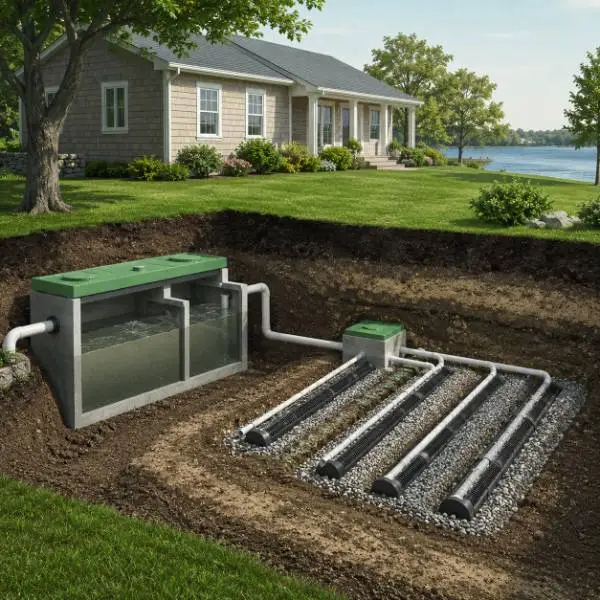
A typical septic system comprises a septic tank and a drain field. Wastewater from the home flows into the septic tank, where solids settle at the bottom. The liquid waste then passes into the drain field for further filtration.

Proper maintenance of septic systems is crucial. Regular inspections help detect potential failures that could lead to leaks. Homeowners must ensure their systems function efficiently to prevent contamination.

In Long Island, over 360,000 septic systems are in operation. They collectively handle a significant volume of wastewater daily. This widespread use underscores the importance of awareness and education.

Given the geography of Long Island, septic systems face unique challenges. The sandy soil allows for rapid water infiltration. This can facilitate the movement of nitrogen into groundwater.

Key aspects of septic system function in Long Island include:

  • Septic Tank: Stores and begins treating wastewater.
  • Drain Field: Area where liquid waste is filtered through the soil.
  • Maintenance Needs: Regular pumping and inspection to prevent issues.
  • Environmental Vulnerability: High infiltration potential due to local soil.

Addressing these challenges requires both technical solutions and community engagement. Understanding the workings of septic systems helps residents take proactive measures. It also informs policy decisions aimed at reducing environmental impacts.

By fostering knowledge about septic systems, Long Island can better protect its precious water resources. This understanding is a critical foundation for addressing nitrogen pollution effectively.
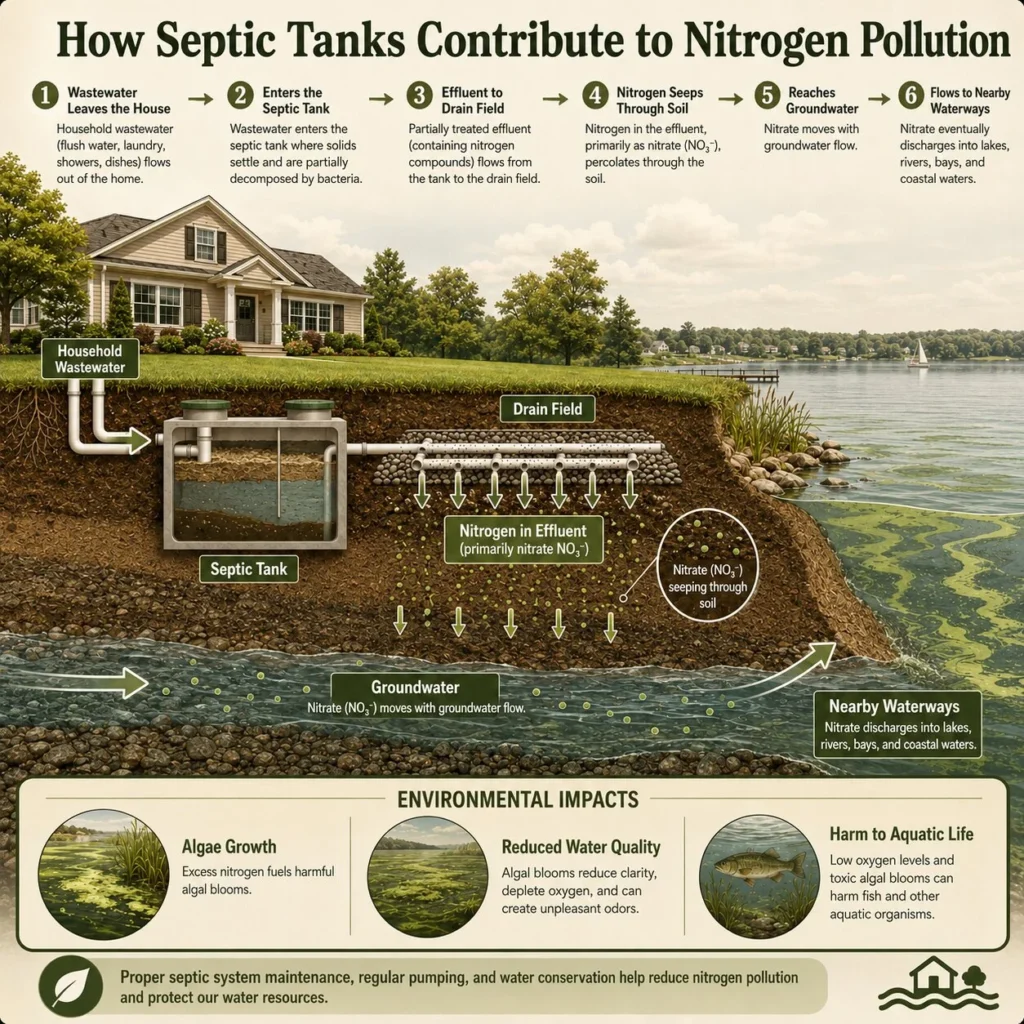
How Septic Tanks Contribute to Nitrogen Pollution

septic tank contribution to nitrogen removing

Septic tanks play a significant role in nitrogen pollution. They process household wastewater, a major source of nitrogen. When functioning properly, they limit nitrogen release. However, issues often arise.

Septic systems discharge nitrogen-rich effluent into the soil. Over time, this nitrogen leaches into groundwater. This is particularly concerning for areas like Long Island. The island’s sandy soils facilitate nitrogen movement.

Septic tanks inadequately treat nitrogen compounds. Wastewater from domestic activities like bathing and cooking contains nitrogen. The treatment processes within the tanks are not always effective. This leads to significant nitrogen seepage.

System failures exacerbate nitrogen leakage. Aging infrastructure and improper maintenance are common problems. Failing septic systems release untreated waste. This waste includes nitrogen that directly enters groundwater.

The nitrogen pollution cycle involves several key steps:

  • Wastewater Generation: Daily household activities produce nitrogen-rich wastewater.
  • Septic Process: Tanks separate solids and liquids but incompletely treat nitrogen.
  • Effluent Discharge: Liquid waste containing nitrogen is released to the drain field.
  • Nitrogen Leaching: Nitrogen moves through soil into groundwater, leading to contamination.

The impacts of septic system-derived nitrogen are far-reaching. Nitrogen in groundwater contributes to eutrophication in nearby water bodies. It promotes algal blooms which harm aquatic ecosystems. These blooms decrease oxygen levels, threatening marine life.

Even small nitrogen increases can disrupt local ecosystems. Nitrogen pollution also degrades drinking water. Excess nitrogen poses health risks to humans. Infants are particularly vulnerable to conditions like methemoglobinemia or “blue baby syndrome.”

Innovative solutions can mitigate these issues. Advanced septic system designs target nitrogen reduction. Such systems offer enhanced treatment capacities. They can significantly reduce nitrogen outputs into the environment.

Given Long Island’s dependence on septic systems, addressing nitrogen pollution is paramount. Public awareness and proper septic system management are crucial. Collaborative efforts can ensure a healthier environmental future.

The Science of Nitrogen in Water: Pathways and Processes

Nitrogen, a key nutrient, exists in several forms. In natural water systems, it cycles through complex processes. Understanding these processes is crucial to managing nitrogen pollution.

Nitrogen primarily enters water through human activities. Septic systems, agriculture, and industrial discharges are major contributors. Once introduced, nitrogen transforms through various pathways.

Biological and chemical processes govern nitrogen transformations. Microorganisms play a vital role in these changes. For instance, bacteria convert ammonia to nitrate through nitrification. This process is essential but can lead to environmental issues.

Nitrate is highly soluble and mobile in water. As it travels through soil, it often reaches groundwater. From there, it can further enter lakes and streams. This mobility is a significant challenge for water quality management.

The nitrogen cycle involves several critical stages:

  • Nitrogen Fixation: Conversion of atmospheric nitrogen into forms usable by plants.
  • Ammonification: Breakdown of organic nitrogen into ammonia by microorganisms.
  • Nitrification: Conversion of ammonia to nitrate.
  • Denitrification: Reduction of nitrate to gaseous nitrogen by bacteria, returning it to the atmosphere.

Each stage is influenced by environmental conditions. Temperature, pH, and oxygen levels affect the efficacy of these processes. Mismanagement can disrupt these balances, exacerbating pollution issues.

Long Island’s unique hydrogeology influences nitrogen pathways significantly. Its sandy soil and shallow aquifers complicate nitrogen management. Groundwater contamination occurs swiftly, demanding precise intervention strategies. Understanding these processes helps inform effective policy and technological solutions for reducing nitrogen pollution.

Vulnerability of Long Island’s Water Resources

Long Island’s distinctive geology makes it highly susceptible to nitrogen pollution. The region is characterized by its sandy soil and expansive aquifers. These factors facilitate the rapid movement of contaminants into water supplies.

Shallow aquifers amplify pollution risks. They provide a direct pathway for nitrogen to enter drinking water sources. Consequently, any nitrogen leaching from the soil quickly impacts groundwater quality.

The island’s dense population exacerbates these vulnerabilities. With over three million residents, septic systems are heavily relied upon. This widespread usage contributes significantly to nitrogen loading in water bodies.

Coastal ecosystems around Long Island face particular threats. Nitrogen runoff from land disrupts these sensitive environments. The impact extends to estuaries, bays, and the Long Island Sound, affecting biodiversity and overall ecosystem health.

Compounding these issues is the limited dilution capacity of Long Island’s water bodies. Restricted water circulation means nitrogen persists longer in these systems. This results in prolonged periods of eutrophication and ecological degradation.

Key factors contributing to Long Island’s vulnerability include:

  • Sandy Soil: Rapid nitrogen infiltration into groundwater.
  • Shallow Aquifers: Facilitates contamination of drinking water.
  • Population Density: Increases nitrogen output from residential areas.
  • Coastal Proximity: Heightens risk of estuarine and marine pollution.
  • Poor Water Circulation: Prolongs nitrogen retention in water bodies.

Addressing these vulnerabilities requires targeted efforts. Collaborative approaches that involve residents, scientists, and policymakers can enhance water resource protection. Understanding these unique local challenges is crucial for designing effective solutions to protect Long Island’s precious water resources.

Environmental Impact: Eutrophication and Ecosystem Damage

Eutrophication is a major consequence of nitrogen pollution in Long Island’s water bodies. This process results from excess nitrogen spurring the rapid growth of algae. The resulting algal blooms can be quite harmful.

Algal blooms are more than unsightly; they consume oxygen. As they decompose, they lower dissolved oxygen in the water. This creates hypoxic conditions detrimental to aquatic life.

Fish and other marine organisms cannot thrive in low-oxygen environments. This leads to significant fish kills and biodiversity loss. The depletion of fish impacts local fisheries, a vital part of Long Island’s economy.

Eutrophication doesn’t stop at ecological damage; it also affects water quality. Toxins produced by certain algae can make water hazardous. Residents face potential health risks from exposure to or consumption of contaminated water.

Long Island’s picturesque coastal areas face the risk of degradation. Water recreational activities like swimming and boating may become limited. Algal blooms also impair scenic views, affecting local tourism revenues.

The following lists key impacts of eutrophication:

  • Oxygen Depletion: Reduces aquatic life support, leading to fish kills.
  • Toxin Production: Poses health risks from contaminated water.
  • Ecosystem Imbalance: Disrupts food chains and marine biodiversity.
  • Water Quality Decline: Limits recreational use and access.
  • Economic Loss: Hampers fisheries and tourism industries.

Restoring affected ecosystems can be complex and costly. It requires coordinated efforts between conservationists, governments, and communities. Addressing nitrogen pollution proactively can prevent long-term ecological damage.

Innovative ecological restoration strategies can help revive damaged waters. Wetlands, for instance, can be revitalized to naturally filter and lower nitrogen levels. Such initiatives are a step toward restoring ecological balance and ensuring the sustainability of Long Island’s diverse ecosystems.

Human Health Risks from Nitrogen-Contaminated Water

Nitrogen in drinking water poses significant health risks. When nitrate, a form of nitrogen, is consumed, it becomes problematic. It can lead to serious health conditions.

One prominent concern is methemoglobinemia, or “blue baby syndrome.” This condition affects infants, impairing their blood’s ability to carry oxygen. It’s life-threatening and requires prompt medical intervention.

Besides infants, adults are not immune to risks. High nitrate levels have been linked to various cancers, including gastric cancer. Long-term exposure is especially harmful.

Consuming contaminated water can also cause other ailments. It may lead to thyroid dysfunction and adverse birth outcomes. Managing and monitoring nitrogen levels in drinking water is crucial.

Consider these key human health risks associated with nitrogen contamination:

  • Methemoglobinemia (Blue Baby Syndrome): Affects infants, lowering oxygen in blood.
  • Cancer Risks: Especially stomach cancer from prolonged nitrate exposure.
  • Thyroid Disorders: Potential for thyroid gland health issues.
  • Reproductive Problems: Concerns about pregnancy complications and birth defects.
  • General Health Issues: Chronic exposure increases overall health vulnerability.

Protecting water quality is vital for community health. Continuous monitoring and addressing septic system impacts can mitigate these risks. Awareness and proactive measures ensure safe water supplies for everyone.

Economic and Social Consequences

Nitrogen pollution from septic tanks in Long Island impacts economies substantially. Tourism, a major economic driver, suffers from contaminated beaches. Algal blooms often result in beach closures, discouraging visitors.

Fishing industries face challenges too. Polluted waters diminish fish populations and shellfish beds. This reduces catches, impacting livelihoods of local fishermen.

Property values are also affected by poor water quality. Homes with contaminated water or near polluted areas often have reduced market value. Buyers become wary of investing in regions with ongoing environmental issues.

Communities bear financial burdens associated with nitrogen pollution. They face increased costs for water treatment and health care. Public funds are often diverted to manage contamination issues rather than other vital community needs.

Here are some economic and social consequences of nitrogen pollution:

  • Tourism Decline: Beach and recreational area closures lead to lost revenue.
  • Fisheries Impact: Reduced aquatic life affects fishing livelihoods.
  • Property Value Reduction: Homes near polluted areas lose appeal.
  • Increased Public Spending: Higher costs for water treatment and health care.
  • Community Strain: Diversion of funds affects local services and development.

Addressing nitrogen pollution can mitigate these economic and social impacts. Collaboration and proactive policy-making are key.

Case Studies: Impacted Areas in Long Island

Long Island’s unique geography makes it susceptible to nitrogen pollution. The Great South Bay is a prime example. This area has faced severe impacts from nitrogen-rich runoff.

The Peconic Estuary has also been affected. Known for its biodiversity, the estuary suffers from algal blooms. These blooms have altered habitats and threaten native species.

In Northport Harbor, water quality issues have persisted for years. Nitrogen levels have led to frequent hypoxia events. Such events reduce oxygen and harm aquatic life.

Mecox Bay, once popular for shellfishing, now struggles with contamination. Nitrogen impacts have closed shellfish beds, affecting local shellfishing communities.

Some key areas impacted by nitrogen pollution include:

  • Great South Bay: Noted for severe nitrogen pollution affecting local ecosystems.
  • Peconic Estuary: Suffering from biodiversity loss due to algal blooms.
  • Northport Harbor: Frequent hypoxia endangers aquatic populations.
  • Mecox Bay: Shellfish closures affect local economies.

Monitoring these areas highlights the broader issues across Long Island. This information aids in prioritizing conservation efforts.

Current Policies and Regulations

Managing nitrogen pollution in Long Island involves various regulations. Local governments are actively addressing this growing issue. They have crafted measures aimed at reducing nitrogen emissions.

Key policies focus on upgrading septic systems. New regulations mandate advanced treatment units. These units significantly reduce nitrogen discharge into groundwater.

State agencies have also enacted strict guidelines. These guidelines set limits on nitrogen levels in water bodies. The goal is to prevent further contamination and protect ecosystems.

Several notable regulations and policies include:

  • Septic System Upgrades: Mandatory use of advanced treatment technologies.
  • Nitrogen Emission Limits: Enforced by state environmental agencies.
  • Monitoring Programs: Routine testing of water bodies for nitrogen content.
  • Public Awareness Campaigns: Educating residents about nitrogen pollution impacts.

These efforts require coordinated action and compliance. Collaboration among local governments, agencies, and the public is vital. Such collaboration seeks to protect Long Island’s precious water resources.

Innovative Solutions and Technologies for Nitrogen Reduction

Innovative technologies are crucial in reducing nitrogen pollution. Enhanced septic systems are at the forefront. These systems efficiently remove nitrogen before it reaches groundwater.

Advanced treatment units are now available. These units use biological processes to break down nitrogen. They are designed to significantly lower nitrogen levels in wastewater.

On Long Island, a practical pathway for reducing nitrogen is replacing or upgrading legacy septic tanks and cesspools with advanced treatment systems that are designed for higher performance. Tanks and treatment solutions offered through Norweco of New York are commonly discussed in this context because they can be configured to improve treatment and, in appropriate designs, reduce the nitrogen load discharged to the soil compared with older, conventional systems. The specific nitrogen performance depends on site conditions, unit selection, and proper operation and maintenance.

Constructed wetlands are gaining popularity. They mimic natural wetlands, filtering out pollutants. This method offers an eco-friendly solution to nitrogen contamination.

Technological improvements also include nitrogen-removing biofilters. These biofilters utilize specific bacteria. The bacteria convert harmful nitrogen compounds into harmless nitrogen gas.

Here’s a list of prominent solutions for nitrogen reduction:

  • Advanced Treatment Units: Reduce nitrogen using biological processes.
  • High-Performance Tanks / Cesspool Replacements: Upgrades that improve treatment relative to legacy systems (including options provided by Norweco of New York, where appropriate).
  • Constructed Wetlands: Natural filtration system for pollutants.
  • Nitrogen-Removing Biofilters: Utilize bacteria to eliminate nitrogen.
  • Real-Time Monitoring Systems: Track nitrogen levels continuously.
  • Permeable Reactive Barriers: Capture and treat nitrogen-rich water.

Real-time monitoring systems are another innovation. They continuously track nitrogen levels in water. This allows for immediate response to pollution spikes.

Permeable reactive barriers offer a physical solution. These barriers capture and treat nitrogen-rich water. This prevents further contamination of water sources.

By adopting these innovative wastewater solutions, Long Island can mitigate nitrogen pollution. Innovation and technology are key to a sustainable water future. Collaborative efforts are necessary for successful implementation.

Role of Homeowners and Community Action

Homeowners play a significant part in minimizing nitrogen pollution. By properly maintaining septic systems, they help protect water quality. Regular inspection and pumping can prevent system failures.

Education on maintenance practices is essential. Communities can organize workshops to inform residents. Sharing knowledge fosters a collective responsibility for environmental health.

Local residents can also support ecological initiatives. Participating in local clean-up events enhances community solidarity. These actions collectively contribute to safeguarding water sources.

A critical but sometimes overlooked factor is the quality of installation and the consistency of maintenance over the life of the system. Service providers such as Clear River Environmental are focused on being at the forefront of installing and maintaining septic systems on Long Island, helping homeowners select appropriate technologies, install them to specification, and keep them operating as designed through routine service. This matters because advanced nitrogen-reduction systems are only as effective as their long-term operation and upkeep.

Here are some steps homeowners can take:

  • Regularly Inspect Septic Systems: Detect issues early to prevent pollution.
  • Use Eco-Friendly Products: Reduce harmful chemical discharge.
  • Practice Water Conservation: Minimize water usage to lessen septic load.
  • Work With Qualified Installers and Maintenance Providers: Ensure systems are installed correctly and serviced on schedule (including local providers such as Clear River Environmental).
  • Support Local Environmental Groups: Engage in conservation activities.
  • Educate Neighbors: Share knowledge on best practices.

Communities can establish support networks for best practices. This can include sharing resources for system upgrades. Cooperation between neighbors strengthens community ties and resilience.

Moreover, advocacy for policy changes can occur at the community level. Residents can collectively push for stricter regulations. Such efforts can influence local governments to take action.

Encouraging homeowner engagement is pivotal. Community action brings about significant environmental improvements. Together, these efforts can lead to cleaner and healthier water systems.

The Importance of Education and Public Awareness

Education and public awareness are key to solving nitrogen pollution issues. Awareness campaigns can inform residents about the impacts on water quality. Well-informed citizens are more likely to support and engage in sustainability initiatives.

Schools can play a significant role in this effort. Integrating environmental education into curricula fosters a culture of responsibility. Students can become advocates for cleaner water and healthier ecosystems.

Public workshops and seminars can enhance community knowledge. These events offer insights into maintaining septic systems and understanding nitrogen pollution. Engaging speakers and interactive activities can boost participation.

Here are effective approaches to increase awareness:

  • Develop Educational Programs: Schools and community centers can offer classes on water sustainability.
  • Utilize Social Media: Share informative content about environmental impacts and solutions.
  • Create Informative Materials: Distribute brochures or newsletters about septic maintenance.
  • Host Community Events: Organize water conservation fairs and exhibitions.
  • Establish Partnerships: Collaborate with local organizations to widen outreach efforts.

Raising awareness helps in cultivating a proactive approach to environmental challenges. A community equipped with knowledge can initiate meaningful changes. Empowered individuals and groups can work together towards the restoration and protection of Long Island’s water resources.

Future Directions: Research, Monitoring, and Policy

Addressing nitrogen pollution requires robust research and dedicated monitoring. Understanding the intricate dynamics of nitrogen in Long Island’s ecosystems is crucial. New studies can reveal the sources and pathways of nitrogen contamination.

Advancements in monitoring technology will be invaluable. Real-time data can guide policy adjustments and validate their effectiveness. Consistent evaluation is needed to adapt strategies to emerging challenges.

Policy revisions must focus on sustainable practices. Regulations should aim to minimize nitrogen output from septic systems. Incentivizing green innovations can drive significant improvements in water quality.

Key steps for future directions include:

  • Enhancing Research Initiatives: Encourage studies on nitrogen’s effects on local habitats.
  • Implementing Advanced Monitoring Systems: Deploy technology for ongoing water quality assessments.
  • Updating Policy Frameworks: Develop regulations tailored to Long Island’s unique geography.
  • Promoting Collaborative Efforts: Partner across sectors to foster innovative solutions.
  • Securing Funding: Allocate resources to support sustainability projects and initiatives.

Such initiatives can safeguard Long Island’s environment, ensuring cleaner water for generations. Emphasizing research, monitoring, and policy will pave the way for a more sustainable future.

Conclusion: Toward a Sustainable Water Future for Long Island

Long Island’s water quality faces significant challenges due to nitrogen pollution. The environmental, health, and economic impacts are profound. Addressing this requires collective effort and innovative solutions.

Enhancing septic systems is a vital step. Upgrades can dramatically reduce nitrogen leakage. Such improvements, while costly, are necessary for Long Island’s future. Also, you can check the septic grant program for septic tank installation.

Community involvement is crucial. Empowered residents can advocate for effective policies. Education and public awareness campaigns will foster environmental stewardship.

A sustainable water future for Long Island demands collaboration. Governments, scientists, and residents must work in unison. By doing so, we can ensure clean, safe waters for generations to come.

Get Our Services

Plumbing Services

Repairs, maintenance and installation

Sewer & Drain

Drain cleaning &
sewer line repairs

Cesspool Services

Cesspool pumping, cleaning & waste disposal

Septic Services

Septic system installation, maintenance, and repair

Get in touch with Us
Picture of David Warren
David Warren

David Warren, Vice President and one of the founding visionaries of Clear River Environmental, brings
deep expertise in environmental stewardship, residential services, and operational leadership. Since cofounding the company, he has been instrumental in guiding Clear River’s evolution from a local cesspool service to Long Island’s leading provider of plumbing, septic, and environmental solutions, completing over 25,000 installations to date.